


{{ variable.name }} : {{ variable.values[selectedVariantsIndex[variable_index]].name }}
Quantity:
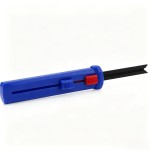
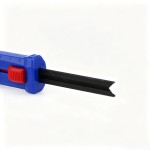
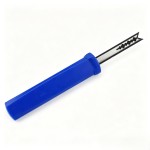
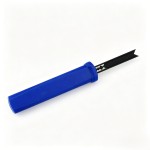
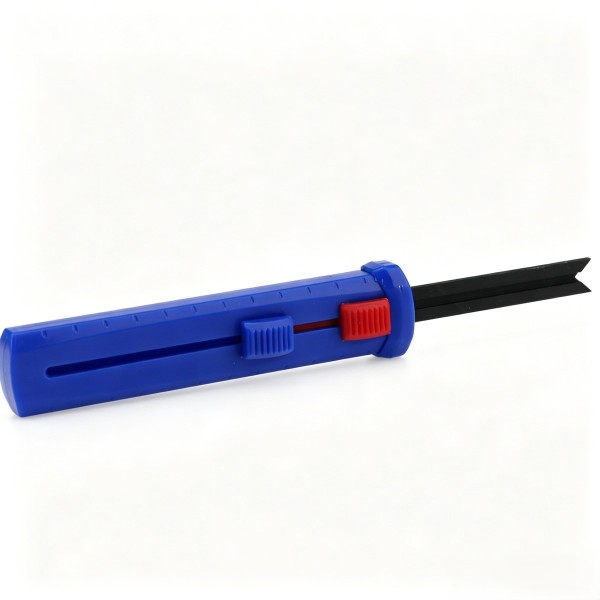
The 1st Generation Blade Pick is a dedicated wafer-blade opening tool profiled for first-generation blade cylinders used on residential anti-theft doors. It is supplied to working locksmiths who open and service single-blade cylinders on site and need a tool whose blade geometry matches the older generation warding exactly.
| Product | 1st generation blade pick |
|---|---|
| Model | 1st generation blade cylinder profile |
| Type | Blade / wafer lock opening tool |
| Material | Hardened alloy steel |
| Function | Blade cylinder manipulation and servicing |
| Application | Residential anti-theft blade locks, locksmith service calls |
| Pieces | 1 piece |
| Packaging | Individual sleeve |
| MOQ | 30 pcs |
Wholesale tiers begin at 60 pieces and this pick mixes freely with 2nd and 3rd generation blade picks in one carton. Worldwide shipping by air and sea with tracking.
For professional locksmith, property management and legitimate service use only. 18+. Not for unauthorized entry.